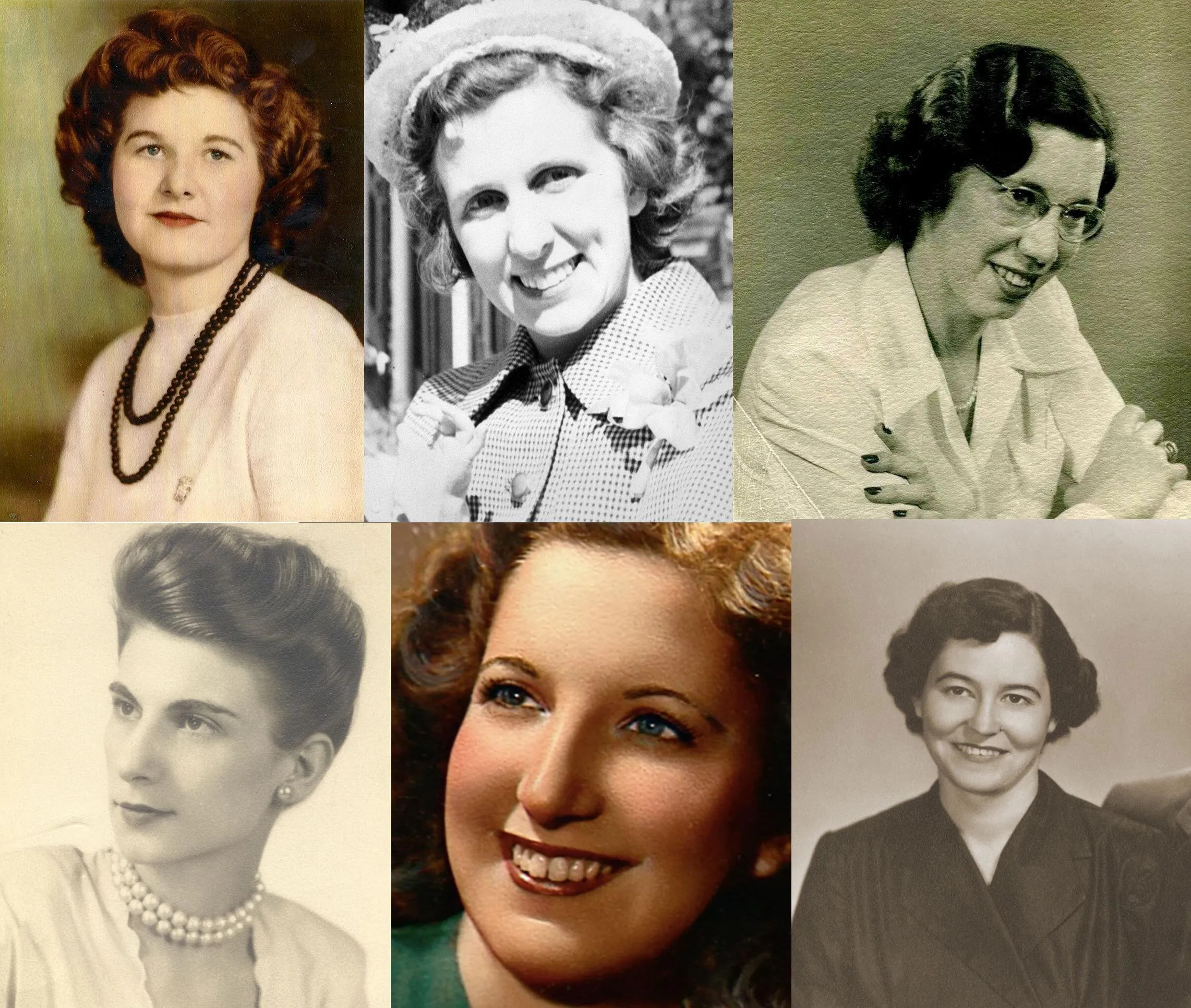


For centuries, women have been deprived of the opportunity to study, work, or make free professional choices. Unequal conditions, societal pressures, gender roles, and social and cultural frameworks have forced them to sacrifice their own interests.
These factors created artificial barriers for women and limited their activities in specific fields. Even in such circumstances, many women, at different times and in different countries, were able to make significant, in some cases, groundbreaking contributions to the world of technology.
Yet, for years, women’s contributions to technology and science have remained invisible and unnoticed — often their names were not mentioned at all, or their inventions were attributed to men. This was so common that it has a name today, called the Matilda Effect.
In this article, we will tell you about several inventions that you probably use today, but you didn’t know until now that their authors were women. It is thanks to the courage of these women in a discriminatory and unequal environment that the involvement of women in a field that was once dominated by men has now increased significantly.
Hedy Lamarr
“Inventions are easy for me. I don’t have to think about ideas, they just come to me naturally,” said Austrian Hedy Lamarr, who moviegoers remember from Hollywood films of the 1930s and 1940s, but perhaps few know that her name is associated with the most important invention of the twentieth century.

During World War II, in 1941, Lamarr, along with her friend George Antheil, created a frequency-spreading mechanism that is now considered a precursor to GPS, WiFi, and Bluetooth. It protected radio communications between the Allies from the Nazis during the war. This wireless mechanism, created by Lamarr, was called the Secret Communication System.
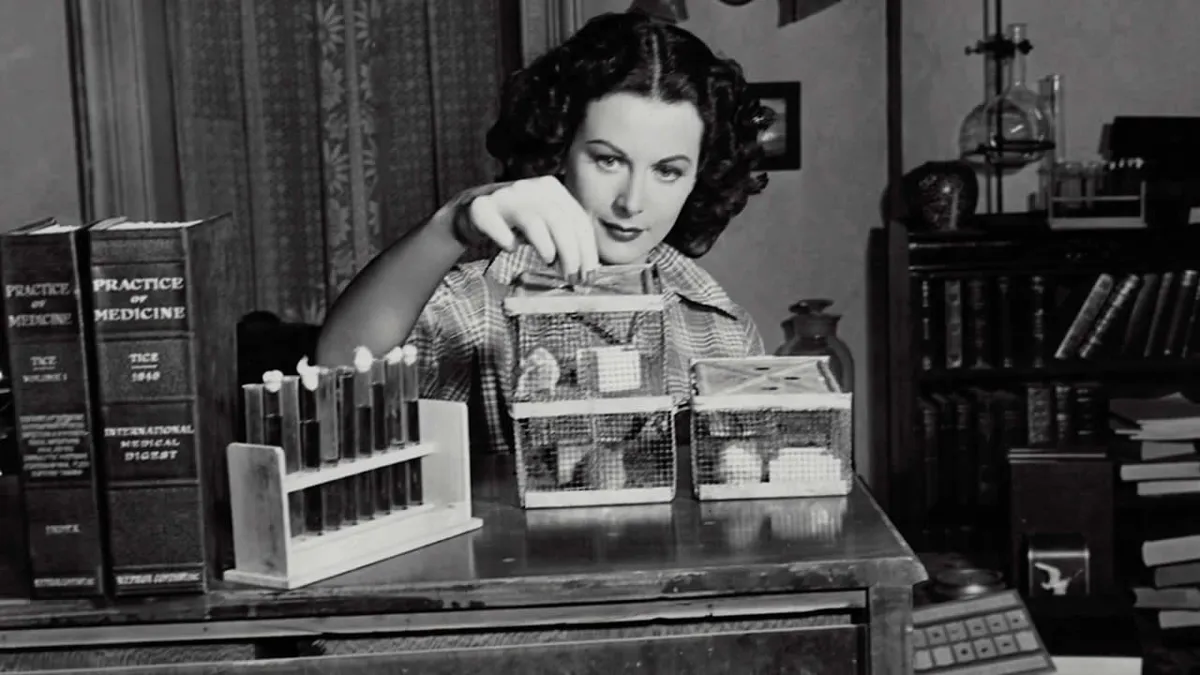
For a long time, Lamarr’s contribution to this groundbreaking invention was overlooked. In 2017, a documentary film was made about Hedy Lamarr, Bombshell: The Hedy Lamarr Story. According to the film’s director, Alexandra Dean, the reason why they tried to remove the author’s name from this invention was because they wanted to create a glamorous image from Lamarr.
She received neither recognition nor financial benefits for this contribution to the field of technology.
Margaret Knight
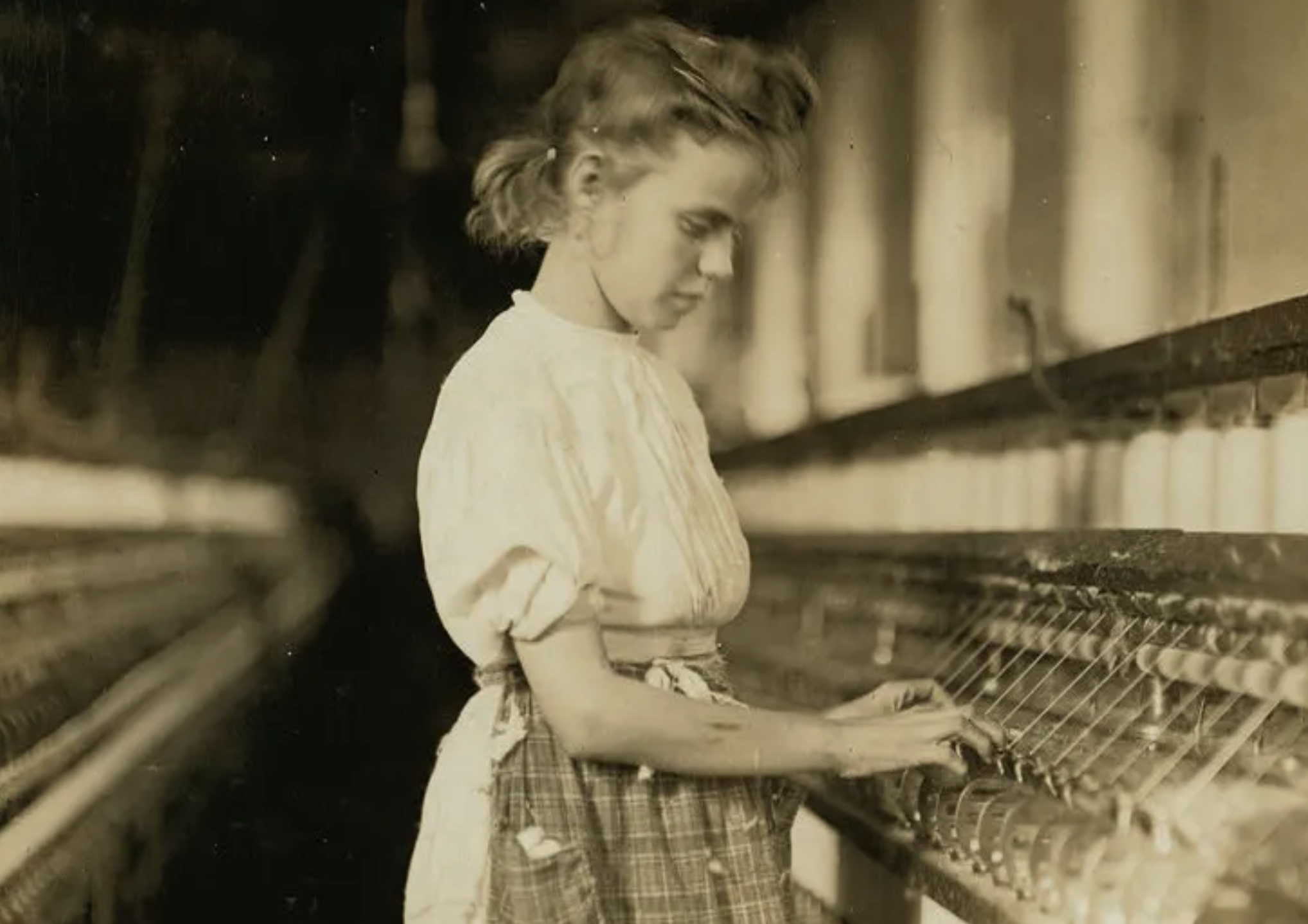
Margaret Knight is one of the most famous female inventors of the 19th century. Margaret is best known for her invention of a mechanism that made it possible to make flat-bottomed paper bags. The machine folded and formed flat, square-bottomed brown paper bags. This innovation is considered the forerunner of the modern shopping bags we use today. The invention of the mechanism made it possible to mass-produce bags.
However, it took Margaret a legal battle to prove that the invention belonged to her. She was accused of stealing the idea from Charles Henan, a man who was in the factory when the mechanism was being assembled. Margaret sued Henan, and in 1871 the case ended in her favor.
Alice Parker
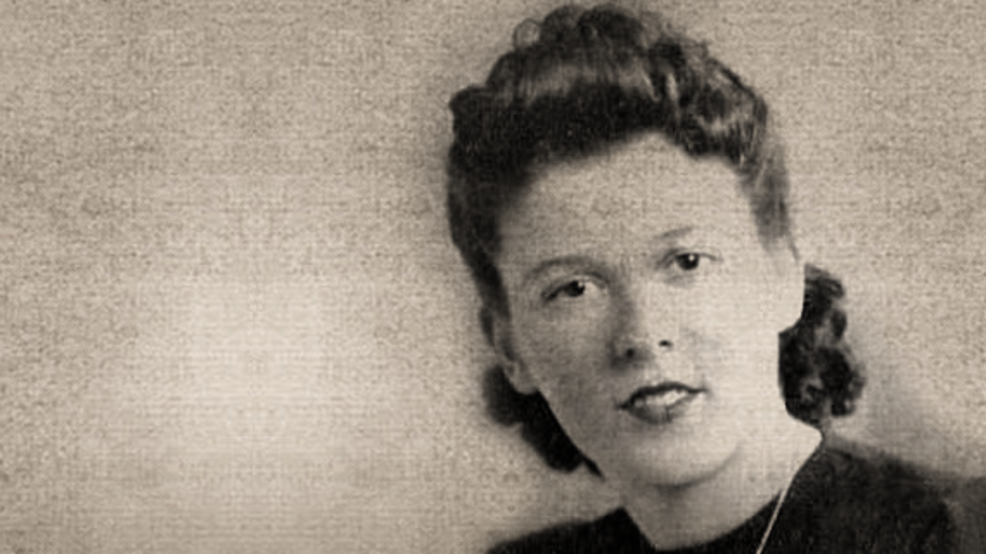
Alice Parker patented the idea for central heating in 1919, laying the foundation for the development of a much safer, more efficient, and more comfortable modern central heating (ventilation and air conditioning) system.
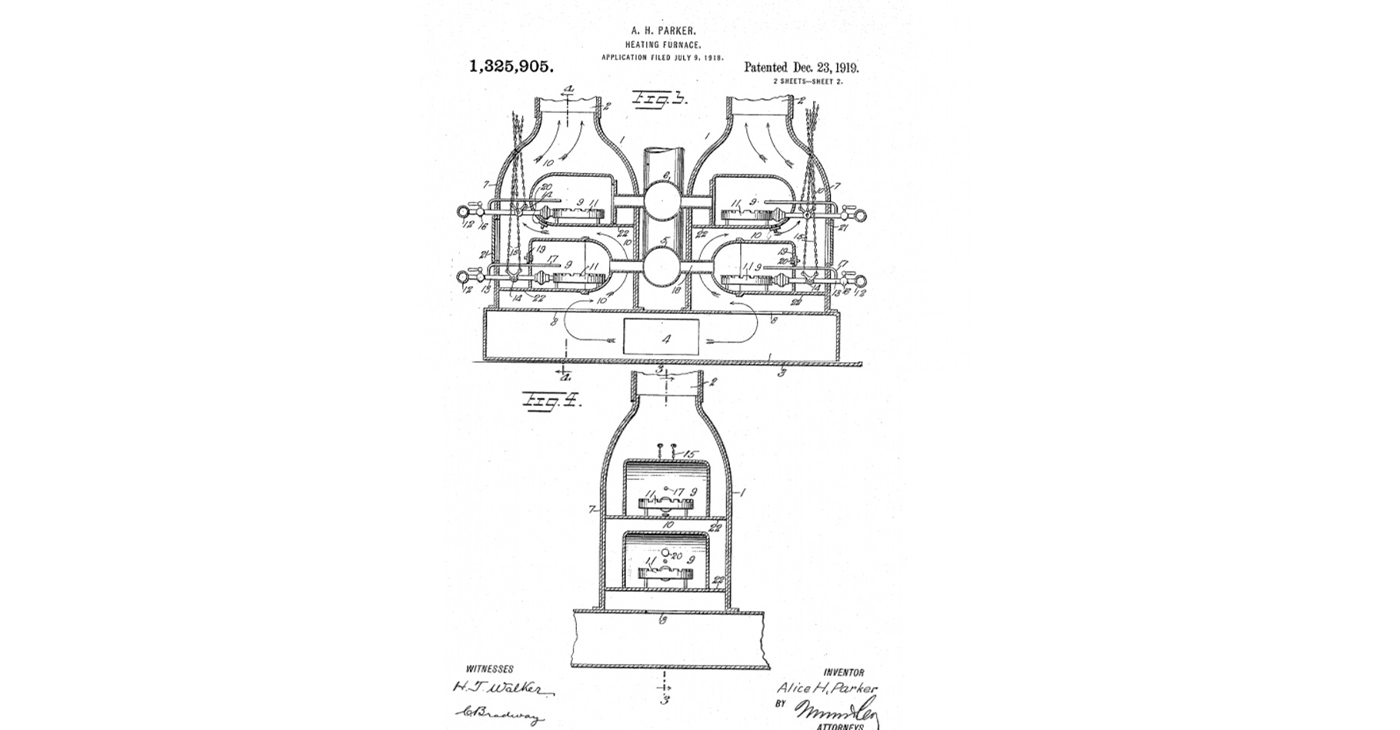
Her idea was innovative and involved heating a house with gas energy. Based on this invention, it was possible to distribute heating to different zones. Thanks to Parker’s revolutionary idea, human labor was reduced and the risk of burning down houses or buildings was reduced, since it was no longer necessary to light a wood-burning stove all night for heating.
Despite this important invention, we know very little about Parker’s life. She was born in 1885 in New Jersey. In the 1900s, she began her studies at Howard University, graduating in 1910. It is believed that Parker’s areas of specialization were related to STEM and engineering.
ENIAC programmers
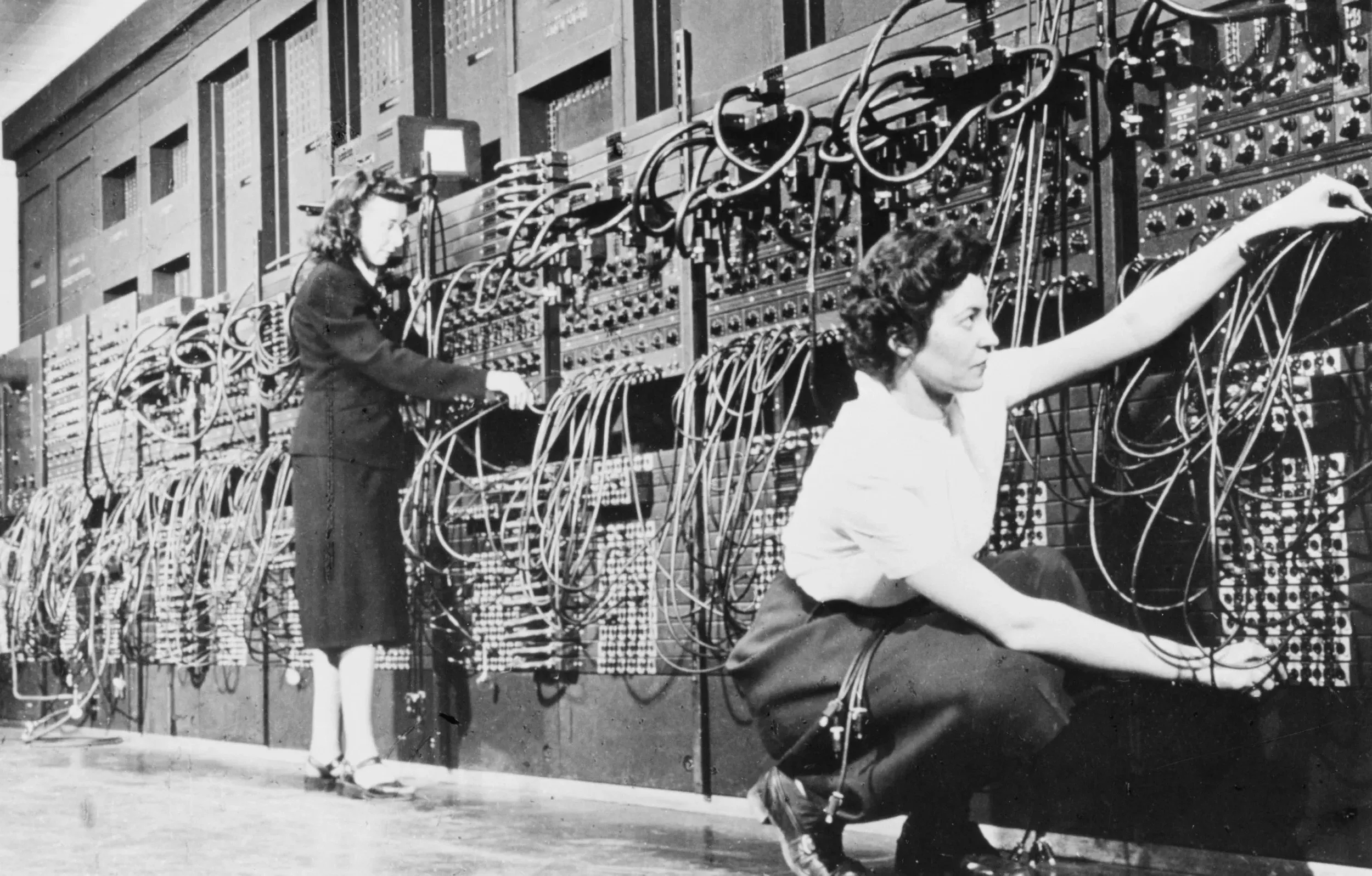
In the 1940s, during World War II, six female programmers in the United States were tasked with programming the ENIAC (Electronic Integrator and Computer) as part of a secret project. It calculated the trajectories of ballistic missiles during the war.
The women’s identities remained unknown for years, and their seminal achievement was largely ignored. Decades later, in the 1980s, Harvard University student Casey Kleiman discovered a photograph of women standing at a computer while researching her thesis. The discovery became the basis for her research and documentary on the women programmers of ENIAC.