

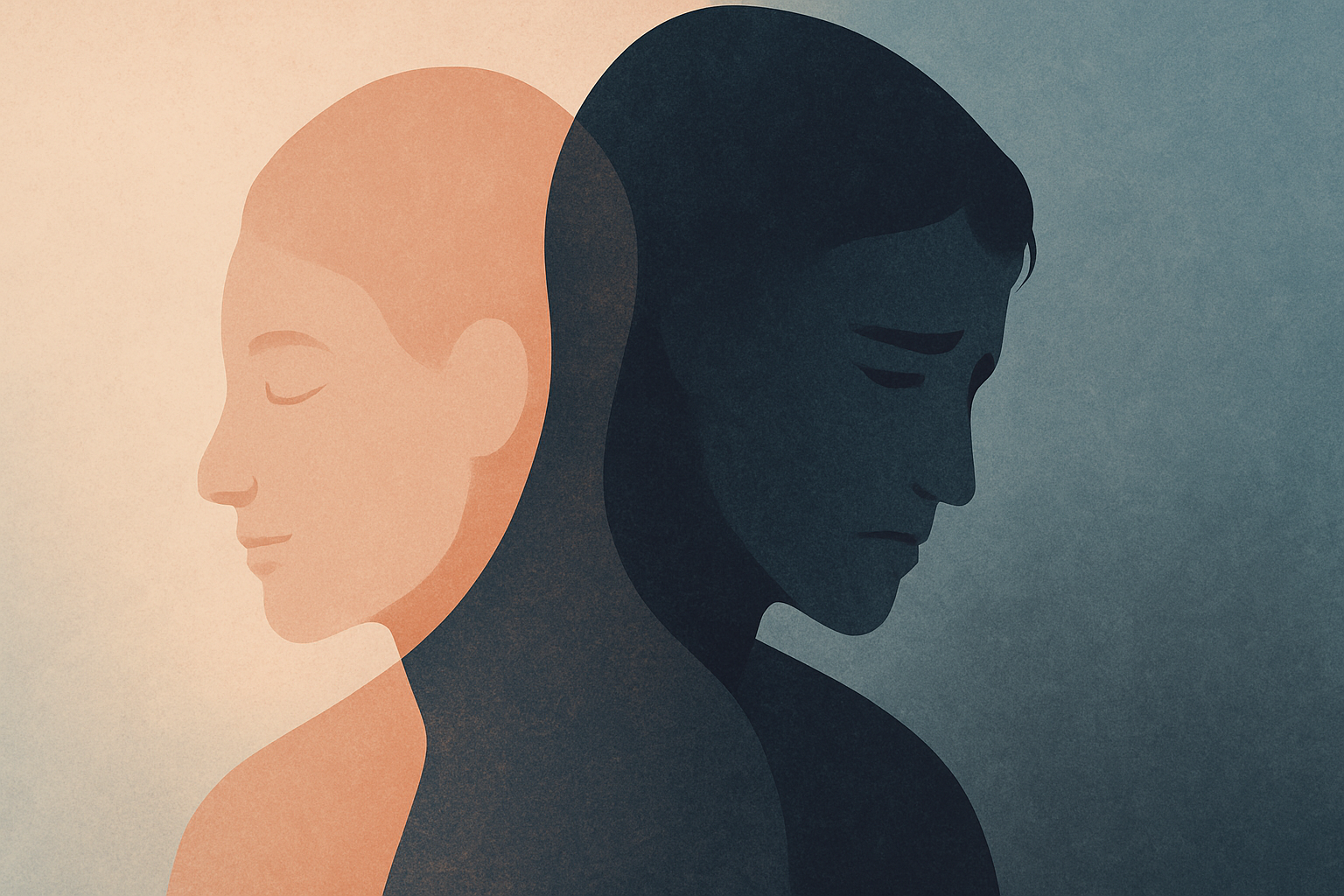
For many people, sex is associated with intimacy, pleasure, and relaxation. It is often described as a process that elevates mood and leaves you feeling fulfilled.
However, this is not the case for everyone. Sometimes, even when sex is pleasurable and consensual, people feel unexpected sadness, anxiety, or irritability after sex. This experience is called postcoital dysphoria (PCD), or “sadness after sex.”
What Is Postcoital Dysphoria?
Postcoital Dysphoria (PCD) describes the negative emotional state that some people experience after sex. Instead of feeling relaxed and content, a person may suddenly feel sad, anxious, irritable, tense, or even angry. Tears are also common — some people find themselves crying after sex, but they can’t explain why.
In an interview with Healthline, psychiatrist Gail Saltz explains that PCD can be considered “any unpleasant feeling after sex that is not normally expected.” Importantly, these emotions can occur after both pleasurable and consensual sexual experiences. Sex can be pleasurable, but the emotional aftermath can tell a different story.
PCD is also different from other sexual difficulties. Whereas sexual dysfunctions are associated with problems that occur before or during sex (such as lack of desire, pain, or inability to achieve orgasm), PCD occurs after sex has already occurred. Symptoms can occur even after sexual satisfaction and orgasm have been achieved, emphasizing that the problem is not directly related to a lack of pleasure.
The duration of negative emotions is highly variable and individual — PCD sensations can last from 5 minutes to 2 hours. It is noteworthy that this condition can accompany both direct sexual intercourse and masturbation and other intimate activities, which makes it clear that it is not only associated with partnered sex.
What is particularly confusing to many is that PCD can occur even when the relationship is healthy and close. Intimacy itself is not a determining factor — a person can be in a loving, secure relationship and still feel sad or anxious after sex.
In short, PCD is not related to the quality of sex, intimacy, or the presence of orgasm. It is a specific emotional reaction that some people experience after sexual activity, and it is important to see it as a real and genuine experience.
How Common Is This?
Although postcoital dysphoria is not often talked about, research suggests that it may be much more common than we think. Because the topic is rarely discussed openly, many who experience it may think they are alone, when in fact quite a few people suffer from similar feelings.
Most research on postcoital dysphoria has focused on women. In one study of 230 college-aged women, nearly half (46%) reported experiencing symptoms of PCD at least once in their lives, and 5.1% said they had experienced these symptoms in the past four weeks. In another study of 222 female university students, 32.9% reported experiencing PCD at least once, and 10% said they had experienced it in the past month.
However, more recent research suggests that PCD is common in men as well. In a 2018 study published in the Journal of Sex & Marital Therapy , 41% of more than 1,200 men surveyed said they had experienced “post-coital blues” at least once in their lives, 20% said it had happened within the past four weeks, and just over 3% said it happened to them regularly.
Overall, the evidence suggests that PCD is a common experience, not a rare or exceptional case. Awareness of its prevalence can help people reduce feelings of shame and confusion.
Possible Causes
One of the most confusing aspects of postcoital dysphoria is that its exact cause is not yet fully understood. However, experts have identified several possible factors that may be linked to this “post-sexual sadness.”
Hormonal Changes
Sex involves intense hormonal, physical, and emotional stimulation. During sex, the body reaches a peak of activity and is flooded with hormones associated with love and attachment. When this stimulation suddenly stops, the body and mind have to return to their original state. It is this sudden physiological “downfall” that can leave some people feeling sad, anxious, or even crying.
Unconscious Shame About Sex
Cultural or personal beliefs about sex can play a big role. People who grow up in strict, conservative, or sexually negative environments often carry unconscious feelings of guilt or shame about sexual activity. Even if the experience is pleasurable and consensual, these intrusive thoughts, such as “sex is bad,” can manifest as sadness or anxiety after sex.
Relationship Dynamics
Sex is a powerfully intimate experience, and it can reveal hidden emotions about the relationship itself. Psychiatrist Gail Saltz notes that unconscious feelings — such as resentment or disappointment — can surface during or after sex. Negative communication with a partner after sex, unmet expectations, or emotional distance can also lead to feelings of sadness.
The same goes for casual relationships. After a one-time sex or casual encounter, some people may feel lonely or regretful, especially if the partner is unknown or the experience did not meet their emotional needs.
Problems with Body Perception
Feelings about one’s own body can also influence PCD. If a person has a negative view of their body or low self-esteem, these insecurities can resurface after sex, causing shame or anxiety instead of relaxation and satisfaction.
Trauma and Experiences of Violence
Past sexual abuse or harassment can make a person more vulnerable to PCD. Later sexual experiences — even consensual and safe ones — may be associated with past trauma. Certain touches, positions, or moments of vulnerability can remind a person of past trauma and trigger feelings of shame, fear, or guilt.
Sexual abuse, both in childhood and adulthood, can be linked to PCD, as can other forms of physical or emotional abuse. In some cases, these early experiences can also contribute to anxiety or depression, which in turn increases the likelihood of post-sex sadness.
Stress, Anxiety and Depression
If a person is already struggling with mental health issues, sex can be a temporary distraction. When the act ends, the stress, anxiety, or depression that was present before can quickly return.
Postpartum Depression
For women, hormonal changes associated with childbirth may play a significant role. Those who suffer from postpartum depression may be more likely to experience postcoital dysphoria, likely due to increased sensitivity to estrogen.
Ways to Cope with Postcoital Dysphoria
Because postcoital dysphoria is often an unexpected and confusing experience, many people are unsure of how to cope. While there is no universal solution, there are some practical steps you can take to help you cope.
If you are suffering from PCD:
- Acknowledge your feelings. It’s important to remember that being happy after sex is not an obligation. You shouldn’t feel pressured to “be happy” just for your partner. Acknowledging your sadness — instead of suppressing it — can be a relief.
- Ask yourself questions. Ask yourself what might be causing these emotions:
- Was there a specific moment during sex that triggered these feelings?
- Do you experience shame, guilt, or negative emotions about your body?
- Did the memory of a past trauma resurface?
- Does this happen often or rarely?
- Give yourself space if you need it. If being alone helps you process your emotions, that’s perfectly acceptable, and if being close is more comforting, sharing this with your partner may help you get better support.
- Consider professional help. If PCD is frequent, disabling, or related to past trauma, it may be a good idea to talk to a psychotherapist, psychiatrist, or other mental health professional.
If your partner is suffering from PCD:
- Be supportive. The best thing you can do is to consider your partner’s needs without taking their reactions personally. Remember that your partner’s sadness does not reflect on your worth or the quality of your sexual experience.
- Establish healthy communication. Ask your partner if they want to talk, and if so, listen without judgment. If they’re not ready yet, respect their wishes and give them space. Later — either later in the day or a few days later — remind them again that you’re ready to listen when they’re comfortable.
- Create a comfortable environment. Some people prefer to cuddle, while others prefer to simply be close to their partner in a quiet environment. To avoid making assumptions, ask what would be most helpful for them at this moment.
- If necessary, encourage your partner to seek professional help. If your partner experiences PCD frequently and it is interfering with your relationship or your partner’s well-being, it may be a good idea to suggest that they seek psychotherapy.
► Feeling sad after sex can be confusing, but postcoital dysphoria is much more common than we think. It doesn’t mean there’s “something wrong” with you or your relationship — it’s simply one of the ways your body and mind can react to intimacy. It’s important to acknowledge the reality and validity of these feelings. With space, open communication, and, if necessary, professional support, PCD can be managed and a healthy sex life can be maintained.
Sources: Healthline, WebMD, Psychology Today