

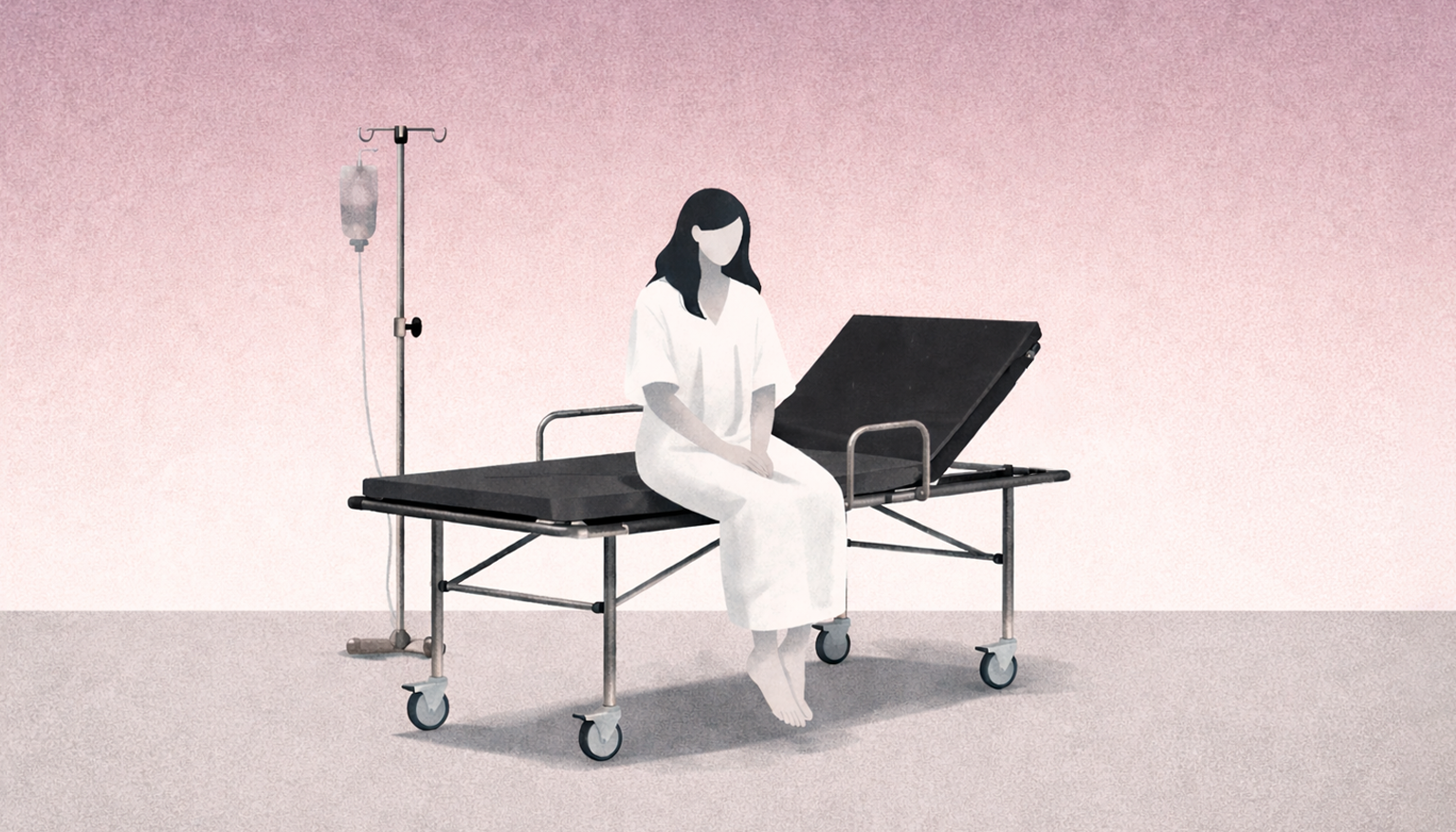
"After another visit to the doctor, feeling left out, ignored, and even somewhat embarrassed because I had spoken about my unbearable pain and was still not heard,  I started listening to the audio version of Elinor Cleghorn's book Unwell Women.

Like many other women, I had been conditioned over the years to minimize my symptoms, to find superficial explanations for them, or to explain them away with "psychology," but the author's clear, strong, and historically informed voice dispelled my doubts. I realized that my personal frustration as a patient was actually part of a centuries-old tradition of neglect and misdiagnosis of the female body."
One of the book club members shares this experience with other readers, but as it turns out, this is not just the story of one woman, but a painful reality and systemic problem familiar to many.
“Women in Power: Misdiagnoses and Myths in a World Created by Men” — this book is both a scientific study and an opportunity to share personal experiences for the author.
Elinor’s symptoms went undiagnosed and ignored by doctors for years. She suffered for about a decade until she was diagnosed with the chronic autoimmune disease systemic lupus erythematosus (SLE) in 2010. Cleghorn set out to find out why women have struggled to be heard in the doctor’s office — from ancient Greece to the present day. The book, which exposes centuries-old myths and systemic problems in women’s health, was published in 2021.
Thousands of kilometers away and with similar experiences, in Georgia, Ana changed eight endocrinologists, but instead of answering her complaints, she received a deterioration in her health. As for 26-year-old Nini, when talking about her noticeable symptoms, the doctor mentioned her age and said: “You obsess a lot, you pay too much attention.” When sharing her complaints with another doctor, it turned out that Nini has a form of tachycardia that also carries a risk of stroke, and Ana is still looking for answers to questions about her health.
In books and scientific studies, in lines at doctors’ offices, in correspondence with friends, in personal conversations, or in discussions on social networks, which have become more active in recent years, we read many stories – the field of healthcare and medicine is one of those spaces where women feel invisible, or their voices and complaints are ignored.
In this article, we will tell you why we know so little about women’s health, what discoveries we are at the epicenter of, what is important to know, and what recommendations to consider.
Historical Context
Women’s life expectancy is often cited as an argument when discussing equality and well-being. This vilified statistic is a facade that hides the real picture: quality of life is overshadowed by life expectancy.
Yes, women generally live longer than men, but they spend 25% more of their lives with poor health, chronic pain, or disabilities.
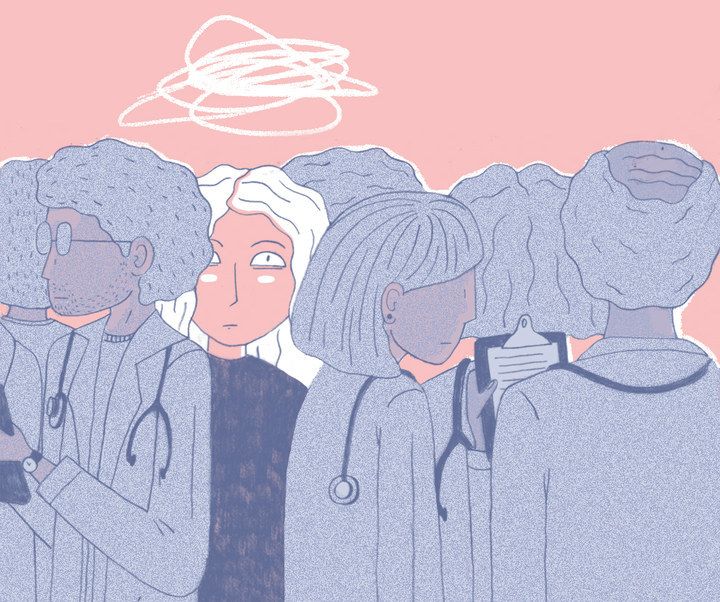
A large-scale analysis of health data spanning two decades has shown that women are diagnosed on average four years later than men for more than 700 diseases. The data was compiled by the Nordisk Foundation Center for Protein Research, a leading center for innovative biomedical research based at the University of Copenhagen.
Among the reasons for these results are limited data on women’s health, barriers to women’s access to medical services, and the established norm in medicine—the “male-as-standard” model.
Moreover, historical inequality is a major factor: women were not included in mandatory clinical trials until 1993, and the generalization of studies conducted on men was not, and still is not, adequate and relevant to women’s health.
This is a historical and well-documented systemic problem, says Ketevan Shavliashvili, a physician, entrepreneur, and doctoral candidate in clinical and translational medicine. She received specialized training in menopausal and midlife women’s health and functional medicine at the Institute for Functional Medicine (IFM) in the United States and Harvard Medical School.
“Back in 1977, the US Food and Drug Administration issued a regulation that effectively excluded all women of reproductive age from the early stages of clinical trials. Although this decision was prompted by the famous tragedy of the 1950s and 1960s, when thalidomide, a drug given to pregnant women, caused severe fetal damage, this precaution ultimately proved disastrous,” says Ketevan.
“For decades, medical and pharmaceutical research was conducted almost exclusively on men, and doctors automatically used the results to treat women without any adaptation,” — Ketevan Shavliashvili.
The situation changed in the early 1990s, when the US National Institutes of Health (NIH) was first headed by a female director and female participation in research became mandatory. However, as Ketevan points out, the consequences of this historical neglect are still with us today: standard drug doses, laboratory norms, and diagnostic criteria — in fact, everything was created based on male biology.
“This inequality is clearly visible in the numbers today. Most recently, in 2025 and 2026, women’s health was named one of the most important global challenges at the World Economic Forum in Davos. According to the latest data from the forum, only 6% of private healthcare investments are directed to the study of women’s health, and this is while women represent half of the population. 90% of this meager funding is spent on oncology and reproduction alone. Such important issues as women’s cardiovascular diseases, polycystic ovary syndrome, or hormonal health are actually left outside of funding,” says Ketevan Shavliashvili.
She also notes that historical inequality, neglect, and exclusion are not just an American or Western problem and directly affect Georgia as well.
“Doctors in Georgia rely on leading European and American clinical guidelines or textbooks. However, because this global medical base itself has been built on research conducted primarily on men for decades, this historical neglect of female physiology automatically carries over into Georgian medical practice.”
A Comprehensive Definition of Women’s Health
Women’s health is often mistakenly identified solely with sexual and reproductive health (SRH), which is an underrepresentation. The definition of women’s health can include both specific conditions (such as endometriosis and menopause) and general diseases that affect women differently (with more severe disease) or disproportionately (with higher prevalence).
According to the World Health Organization (WHO), improving women’s health globally is fundamental to achieving universal health coverage, medical equity, and gender equality.
“Health determines the quality of women’s lives and enables them to fully enjoy other rights; it promotes women’s full participation in social, economic and political life. While sexual and reproductive health and rights, including access to contraception, fertility management and safe abortion, remain central issues, women’s health goes far beyond these areas – it encompasses physical and mental health throughout the life course, from adolescence to old age,” the World Health Organization website explains.
It is also clarified that the health status of women is shaped by the interaction of biological and gender factors. Gender norms, the distribution of power and structural inequalities influence the risks women face, their access to health services, the quality of services they receive and the responsiveness of the health system to their needs. As a result, women may experience diseases differently than men; they may have different symptoms and specific needs at different stages of life. Non-communicable diseases, including cardiovascular diseases and mental health problems, are a growing burden and are often diagnosed late or treated inappropriately.
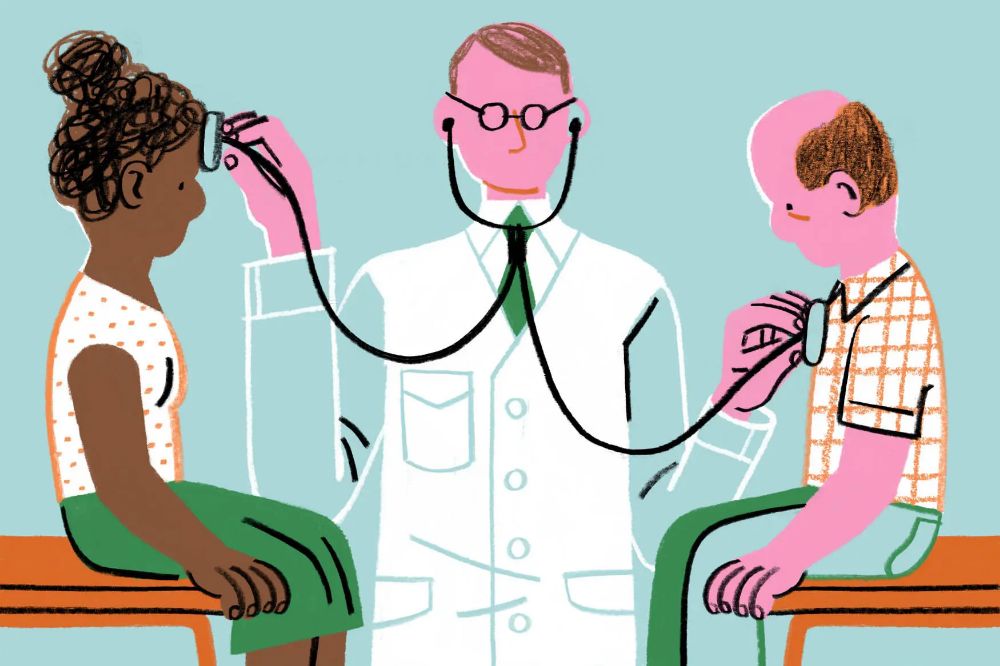
For decades, using the human body as a universal standard has led to a number of fundamental errors in medicine, says Ketevan Shavliashvili, sharing examples with us:
- Aspirin — “For decades, it was considered the ‘golden standard’ for preventing heart disease. However, in the studies that established this, 80% of the participants were men. Later, when a large-scale study was conducted directly on women, it turned out that aspirin practically did not reduce the risk of heart attack in them. On the contrary, it protected women from stroke. In addition, it turned out that the so-called resistance to aspirin, when the drug simply does not work, is much higher in women. Nevertheless, for years, doctors prescribed this drug to women for exactly the same purposes and in the same doses as men.”
- Sleeping pills — “Women and men were prescribed exactly the same 10-milligram dose. Then it turned out that the female body metabolizes this drug much more slowly. Therefore, in the morning, when women woke up, the concentration of the drug in their blood was 50% higher than that of men. They were actually still driving under the influence of the drug. The most interesting thing is that this problem was discovered not by medicine, but by insurance companies — it was they who noticed a suspicious and sharp increase in traffic accidents involving women in the morning hours. Based on these statistics, only in 2013 did the FDA make a decision and halve the recommended starting dose for women.”
- Heart attack and its symptoms — “In medical textbooks, the main symptom of a heart attack is described as severe chest pain. However, in women, the process often proceeds differently: it is characterized by severe fatigue, nausea, shortness of breath, and sometimes even jaw pain. Medicine has called these “atypical” (i.e. non-standard) symptoms. As a result, when a woman goes to the doctor with these complaints, she is often told that it is simply a panic attack or exhaustion. The statistics are alarming: during a heart attack, women are approximately 50% more likely to receive an initial incorrect diagnosis than men. Today, cardiovascular diseases are the leading cause of death in women, although due to diagnostic stereotypes, the public and some doctors are still unaware of this fact.”
Gender norms, biases, and structural inequalities in healthcare disproportionately affect some women — especially those from disadvantaged or ethnic minority groups. Health professionals also point to the need for more research into the challenges transgender women face, as this area is also understudied.
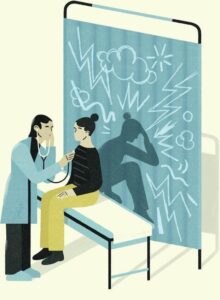
In one study, one in ten women (9%) aged 18 to 64 said they had experienced discrimination based on age, gender, race, sexual orientation, religion or other personal characteristics when visiting a doctor in the past two years.
Health equity is an important concept and refers to the availability of appropriate interventions and choices for every person, regardless of their gender, sex, sexual orientation, age, race, ethnicity, religion, disability, education level, income, or other distinguishing characteristics. In the case of women, this process begins with a better understanding of and access to the medical interventions that lead to the best outcomes.
“No, You Are not Imagining It” — Gaslighting in Medicine
In addition to historical exclusion, lack of data, and other systemic problems when discussing women’s health, it is worth noting the pervasive gender bias in healthcare. For example, when doctors distrust complaints from female patients and immediately attribute specific symptoms to “emotionality,” hormones, or mental health.
In a large-scale survey conducted by the American organization Kaiser Family Foundation (KFF), 29% of women surveyed said that their health care providers ignored their complaints. 15% said that medical staff did not believe them that they were telling the truth. 19% recalled that a doctor made a preliminary conclusion about them without any questioning, and 13% said that a specialist implied that they were personally to blame for a health problem.
This systemic problem is reinforced by another study conducted in the United Kingdom. According to the report, more than half of the women surveyed believe that their pain is ignored or ignored.
We don’t have thematic statistics in Georgia, but women here also tell of similar experiences. A 26-year-old psychologist, Nini is one of them, who has repeatedly experienced invisible barriers in medicine and the reality when the complaints of women and girls go unnoticed or ignored.
Nini went to her family doctor complaining of headaches. Instead of professional help and comfort, the doctor said: “At your age, you don’t need a neurologist,” “I can’t tell you anything without taking an X-ray.” After additional efforts and persuasion, she finally received a referral to a neurologist. He diagnosed her with migraines, which required attention and proper management.
Nini tells us about another case when her heart started racing and her hands started to go numb. The family doctor’s position was still unwavering — referring to her age and commenting: “You’re paying too much attention to the symptoms.”
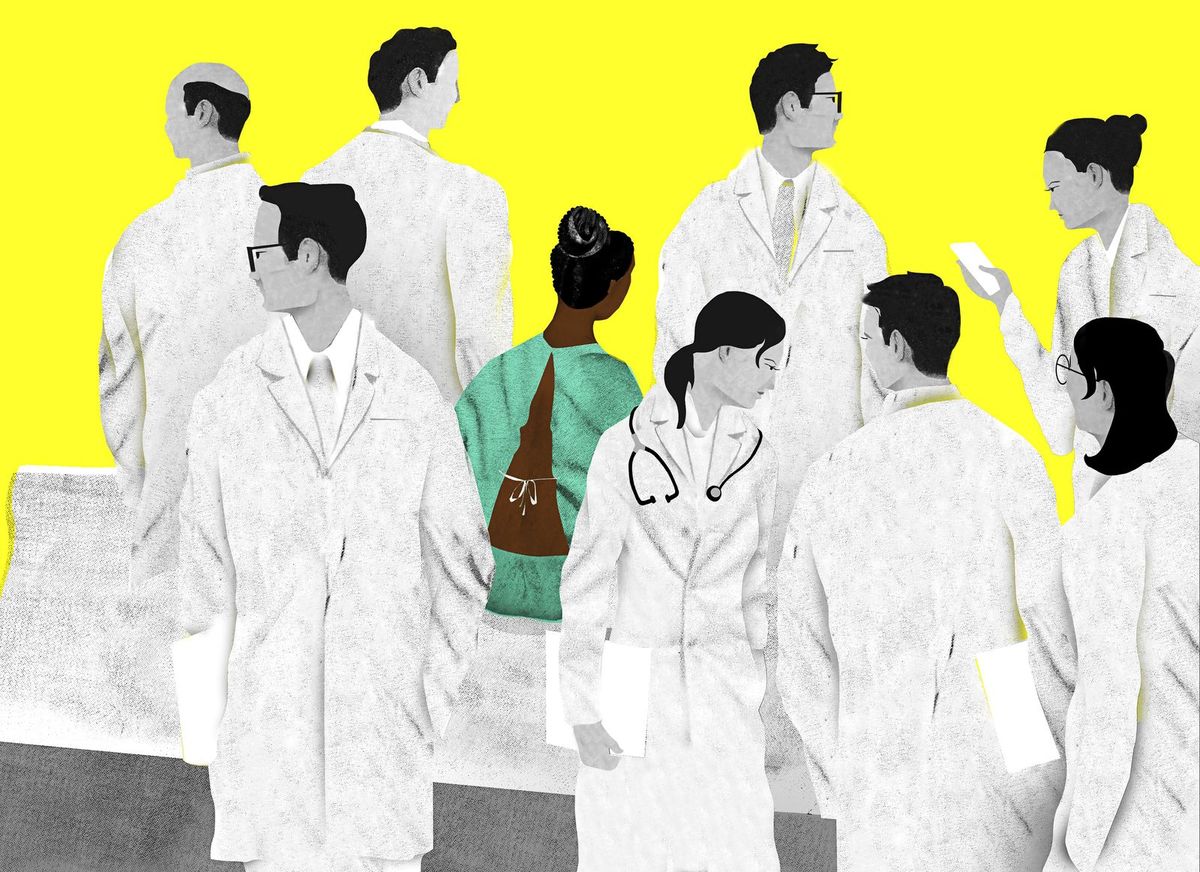
“He told me that I was obsessing too much… my heart didn’t need an electrocardiogram, there was nothing wrong with it. It was as if I wasn’t busy enough with other things and that’s why I had time to dig deeper into the symptoms,” Nini recalls.
After the intervention of a cardiologist friend, it became clear that the condition was serious. A form of tachycardia was identified that even carried the risk of stroke and required checking twice a year.
Many women have probably had the experience of doctors misdiagnosing heart disease as anxiety, autoimmune conditions as depression, or endometriosis as “normal” menstrual cramps. Many women’s health problems are often misdiagnosed or treated as less serious by doctors. For example, a study published in the journal Academic Emergency Medicine found that women who presented to the emergency room with severe abdominal pain had to wait nearly 33% longer than men with the same symptoms.
The first thing that Ana Tsiklauri remembers about the doctor’s indifference is an experience from 10 years ago. That’s when Ana began to gain weight rapidly.
“It wasn’t the weight I gained during pregnancy that I couldn’t lose. I gained a normal amount during pregnancy, lost 10 kilos in the maternity ward, and came out with almost average weight. About a year and a half after giving birth, I started to gain weight inexplicably. For some reason, I attributed this to the antidepressant I was taking for postpartum depression,” says Ana.
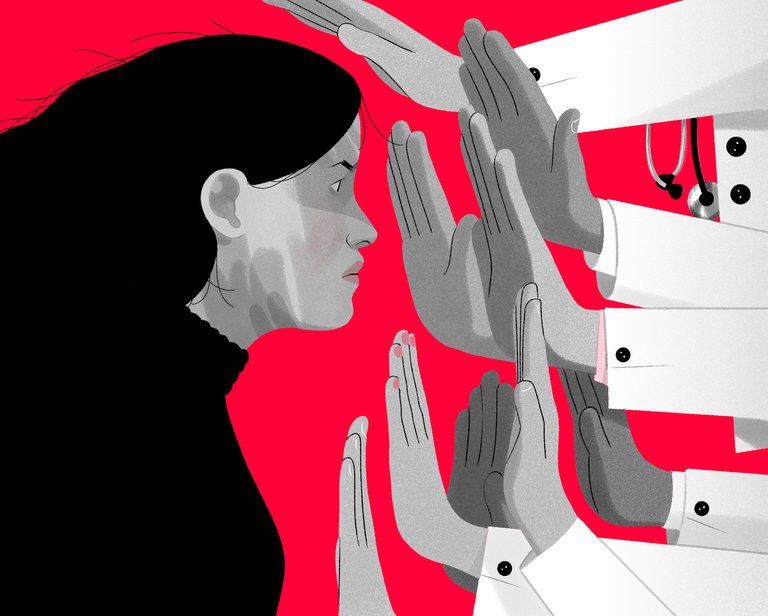
For her first visit, she chose a well-known doctor with good reviews and a waiting list, but instead of receiving adequate responses to her complaints, she felt ignored and humiliated.
“What happened, your dress wouldn’t fit and that’s why you are worried?” — The doctor approached me in this tone. As if I couldn’t fit into my clothes anymore and that was the only reason I was worried. He didn’t explain anything to me, nor did he listen to my doubts and assumptions. He got straight to the point and prescribed a diet for me, which was very standard. He didn’t ask what kind of diet you follow, whether you like this food, don’t like it, or hate it. In short, he prescribed this diet for me and let me go,” recalls Ana.
She has been to 7-8 endocrinologists over the past ten years. Lines, waiting, standard deductions, standard meal plans, additional visits to her family doctor, neurologist, but she still has no answers to his questions about her own health.
“When I first went to the endocrinologist, I weighed about 80 kilos and now I weigh 100 kilos. I have gained at least 20 kg in these 10 years and my health condition has worsened a lot. Now I no longer have the resources to enter this vicious circle again. […] I have the feeling that no doctor listens to me and no doctor wants to offer me anything else, that is, to delve a little deeper, to prescribe some additional analysis, research,” — Ana Tsiklauri.
She says she doesn’t have a busy schedule, but she still suffers from lack of energy and fatigue. When a doctor ignores her symptoms and complaints or looks at them superficially, Ana turns to another doctor, but over the years, this attitude has also made her think, “Maybe it’s really normal for a person to be constantly tired, constantly lacking energy, constantly hungry… Maybe it’s normal?!”
Can hormonal changes cause anxiety, affect mood, weight, or sleep? Of course. However, doctors themselves note that it is unacceptable to use “hormones” as a standard answer and an unconditional explanation for various complaints. During the discussion on gaslighting in medicine, they also recall the example of one of the patients:
"I was recently referred to a 50-year-old female lawyer for a second opinion, concerned about chest tightness and decreased exercise tolerance. Both her gynecologist and therapist told her there was nothing to worry about. They said it was just a combination of perimenopausal symptoms and stress from a busy, long work schedule. Yet, the patient was having trouble breathing even when walking up one flight of stairs.
Intuition told her that she should not have been satisfied with this answer and came to me for a consultation. I immediately realized that her symptoms were most likely caused by uncontrolled hypertension (high blood pressure). When she mentioned her family history of heart disease, I suggested a simple stress test and additional tests, including a coronary artery calcium scan. It turned out that she had atherosclerotic plaques in her arteries. Her symptoms were not due to hormones or anxiety, but to hypertension and early coronary artery disease."
Experts say that gender bias in healthcare is a complex issue and cannot be attributed to any one specific cause, but highlighting and shedding light on this inequality can be a first step towards improving the situation.
Important Discoveries and Practical Guidance
In 2024-2026, the field of women’s health will be at the epicenter of a scientific renaissance, Ketevan Shavliashvili tells us, specifying that medicine has finally begun to perceive the female body as a unique, complex system.
Ketevan cites brain and neuroscience research as one of the most important areas and shares findings related to Alzheimer’s, which occurs twice as often in women. It turns out that hormonal changes, especially a decrease in estrogen, are directly related to structural changes in the brain. Estrogen is the main driver of brain energy. Accordingly, when this hormone decreases in the body, the areas of the brain responsible for memory and cognition begin to change. According to Ketevan, this is where it became clear how protective a proper balance of hormones can be for the brain.
“This is scientific evidence that real, structural changes are taking place in the female brain. Accordingly, the complaints and unusual sensations that women so often describe do not seem real to them; they are a completely objective physiological process, and not just imagination or an “emotional background.”
The reassessment of hormone therapy is also among the important findings. In late 2025 and early 2026, the FDA, the US regulator, officially removed the so-called strict warnings on hormone therapy drugs based on evidence.
“Today, science has agreed: if a woman is prescribed this therapy on time, within 10 years of the onset of menopause, it is not only not dangerous, but also significantly reduces the risk of heart disease, stroke, and bone loss. Most importantly, in modern medicine, we are no longer dependent only on old, synthetic drugs. Today, we are already widely using bioidentical hormones, which are exact copies of our own body’s natural hormones. We have many forms of administration and a much larger selection, which allows us to ensure that the therapy is not only as safe as possible, but also ideally tailored to the individual needs of each woman.”
Only 2 in 10 women receive a correct diagnosis of menopause at their first visit to the doctor. Additionally, conditions such as endometriosis can take up to seven years to be accurately identified, leaving women with years of pain and preventable health complications.

Ketevan Shavliashvili also recalls her personal experience and tells us how she became interested in women’s health. She says that while in Portugal, in a pain management clinic, she observed how middle-aged women suffered from joint pain, how their risk of heart attack or stroke increased, etc. The in-depth education she received in functional medicine, women’s health, and endocrinology gave her name to everything.
New knowledge and discoveries brought the doctor back to a painful past. Her mother died of a heart attack at the age of 56, her grandmother died of a stroke at the age of 63, and her other grandmother suffered from Alzheimer’s in the last years of her life. Ketevan explained that when she delved deeper into the physiology of women, she realized the hardest thing: they could have been saved.
“This tragedy would not have happened if they had the appropriate knowledge, the right to choose, proper nutrition, exercise, and, most importantly, timely hormone therapy.”
She shares that at the same time, she also began to experience the first signs of perimenopause, which led her to pursue specialized education specifically in midlife women’s health and establish a precision medicine platform, Medea Health. Today, Ketevan is the founder and CEO of this platform. Medea Health is an innovative healthcare ecosystem that combines personalized care for women, a professional educational academy, and digital technology solutions.
“I want no woman to repeat stories like this and for everyone to have the opportunity to feel safe, energetic, and fulfilled at any stage of their lives,” says Ketevan.
What to Pay Attention to — Doctor’s Recommendations
“The most important piece of advice I can share with women of any age is that our future health trajectory is set long before we reach menopause. Today, we know for sure that menopause is not just a matter of quality of life or coping with temporary symptoms — cardiovascular, cognitive, and bone health risks increase dramatically during this period,” says Ketevan Shavliashvili.
According to her, hormonal fluctuations usually begin to appear in a woman’s late 30s or early 40s — how smoothly and painlessly a woman will go through the stages of perimenopause and menopause directly depends on her metabolic health before this transition begins.
“If the metabolic background is regulated, which means a balanced diet, regular physical activity, healthy muscle mass and maintained insulin sensitivity, the symptoms accompanying the natural decline in estrogen will be much milder. Moreover, the risk of developing chronic diseases in the future is dramatically reduced. Preparing your body in advance for this natural but responsible stage is the best healthcare investment,” says Ketevan Shavliashvili.
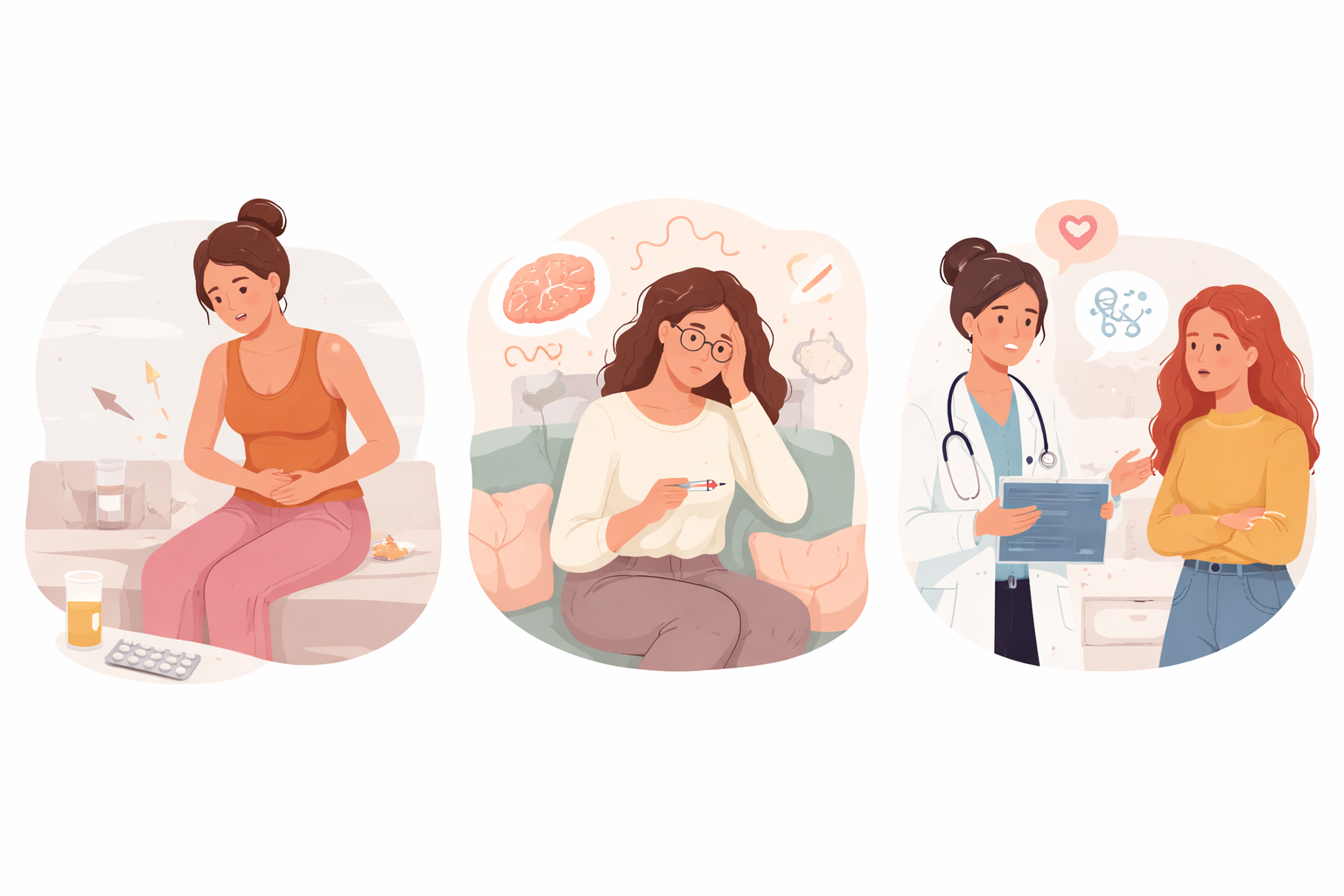
However, there are specific signs that cannot be ignored. You should definitely pay attention to:
- Any unexplained changes in the menstrual cycle, even before the age of 40;
- So-called “brain fog” — when you suddenly have difficulty concentrating and notice memory lapses;
- Severe, chronic deterioration in sleep quality;
- Joint pain that seems to have no objective cause;
- A constant, unexplained energy deficit that does not normalize even after complete rest.
Ketevan Shavliashvili emphasizes that it is very important to understand that these symptoms are not simply “a woman’s fate” or “a natural process of aging” that we should accept without question — they are a clear signal from the body that it needs complex, professional help.
“We often encounter cases in international practice where these specific complaints of women are misdiagnosed. It is important to be careful if our complaints are simply attributed to “stress” or “fatigue” without an in-depth symptomatic assessment or laboratory studies, or if an antidepressant is directly prescribed to manage symptoms without a full assessment of hormonal status.”
Ketevan Shavliashvili calls second opinions an accepted, civilized, and necessary practice in modern medicine. Every woman has the full right to receive medical care that is based on her real, biological needs, not outdated stereotypes. Women deserve to have their body language and complaints in the medical space fully validated, understood, and scientifically evaluated.
According to her, in order for reality to change in favor of women’s health, the state’s approaches must be fundamentally changed. First of all, changes must start with medical education:
“For example, several states in the United States are already considering initiatives to require doctors who work with women to acquire additional, up-to-date knowledge about women’s physiology and hormonal health. Education should also include teaching empathetic communication so that future doctors know how to listen to a woman without dismissing her symptoms as psychological problems.”
Ketevan identifies prevention-oriented financing as the second important step and discusses the example of Australia.
“Australia last year allocated tens of millions of dollars specifically for women’s hormonal health and menopause programs. For the first time, they included a special, free visit in their state insurance, which allows women to have a timely and comprehensive check-up of their health.”
Georgia’s healthcare system and guidelines are still in the process of development. According to Ketevan Shavliashvili, Georgia has a unique chance not to repeat the mistakes of others and adopt the world’s latest, personalized medicine standards.
“And to create an environment where women not only live longer, but also live better, more energetically, and healthier. This is not a luxury, but a fundamental right of every woman.”