

Author: Gvantsa Naskidashvili
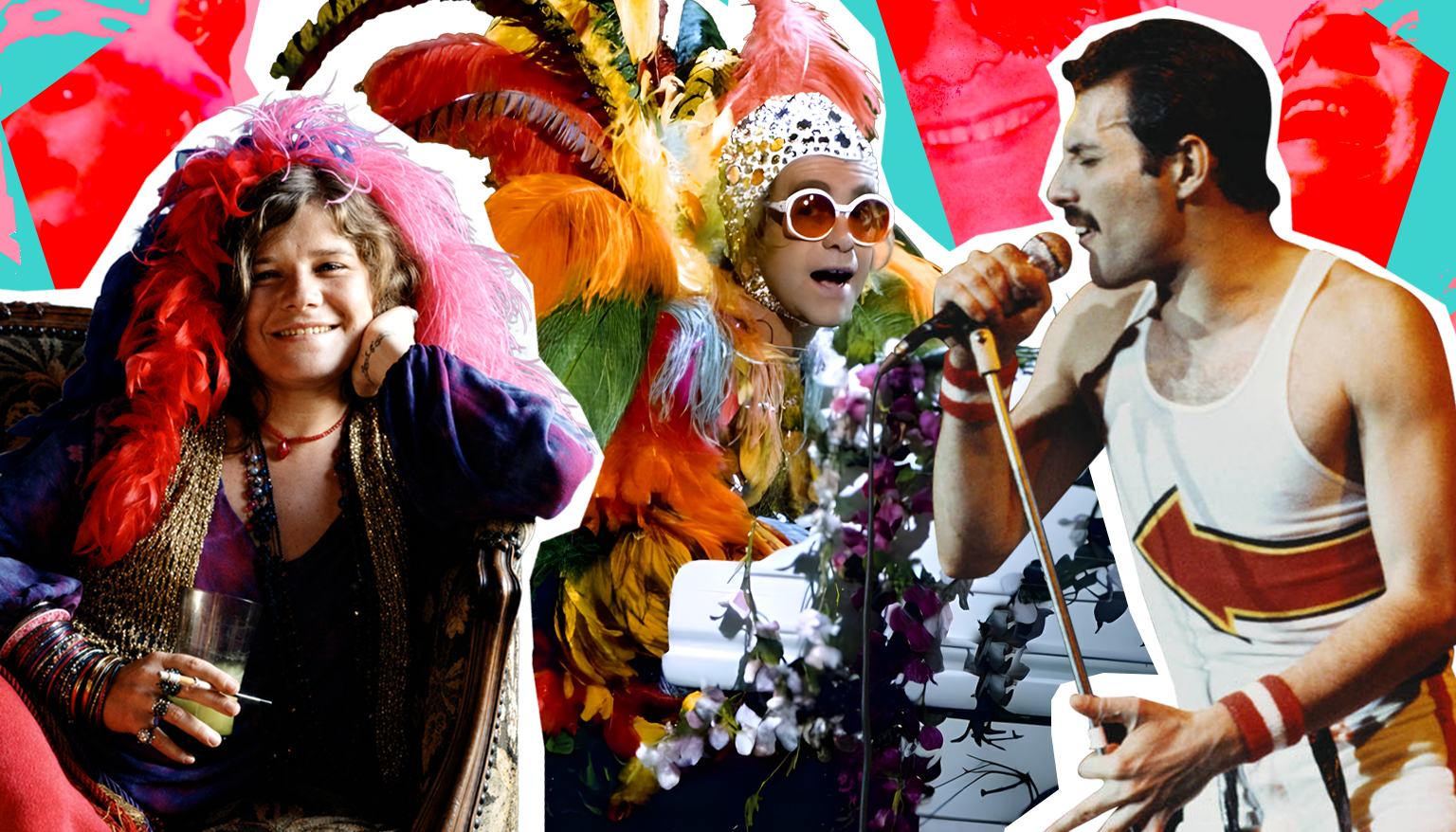
It is impossible to talk about the history of the music industry and pop culture without mentioning queer artists – for years, queer artists have been at the center of a cultural revolution that has changed not only musical tastes, but also views on one’s own personality, and people’s attitudes towards each other. With new hits and personal identities, queer musicians have created profound ideas about freedom, self-expression, and diversity.
Many things that are considered natural in the modern music scene today are the result of artists who dared to speak publicly about their identities, despite society’s attempts to suppress queer visibility and reject them.
In this article, we introduce three queer artists who changed a musical era and left an indelible mark on pop culture.
Freddie Mercury — QUEEN’s extravagant leader
Freddie Mercury (real name Farokh Bulsara) is considered one of the greatest performers in the history of rock music. The British rock singer and songwriter, who became famous as the lead singer of the band QUEEN, was distinguished by his powerful vocals and extravagant showmanship.
From an early age, he was passionate about artistic creativity, and during his school years, he formed a band with several classmates , in which he played the piano.
His extravagant and flexible performance brought QUEEN’s music to life. In 1970, when the lead singer of Smile left the group, Farrokh Bulsara took his place and changed the name of the group to QUEEN, and he himself took the name Freddie Mercury. The name comes from the song “My Fairy King”.
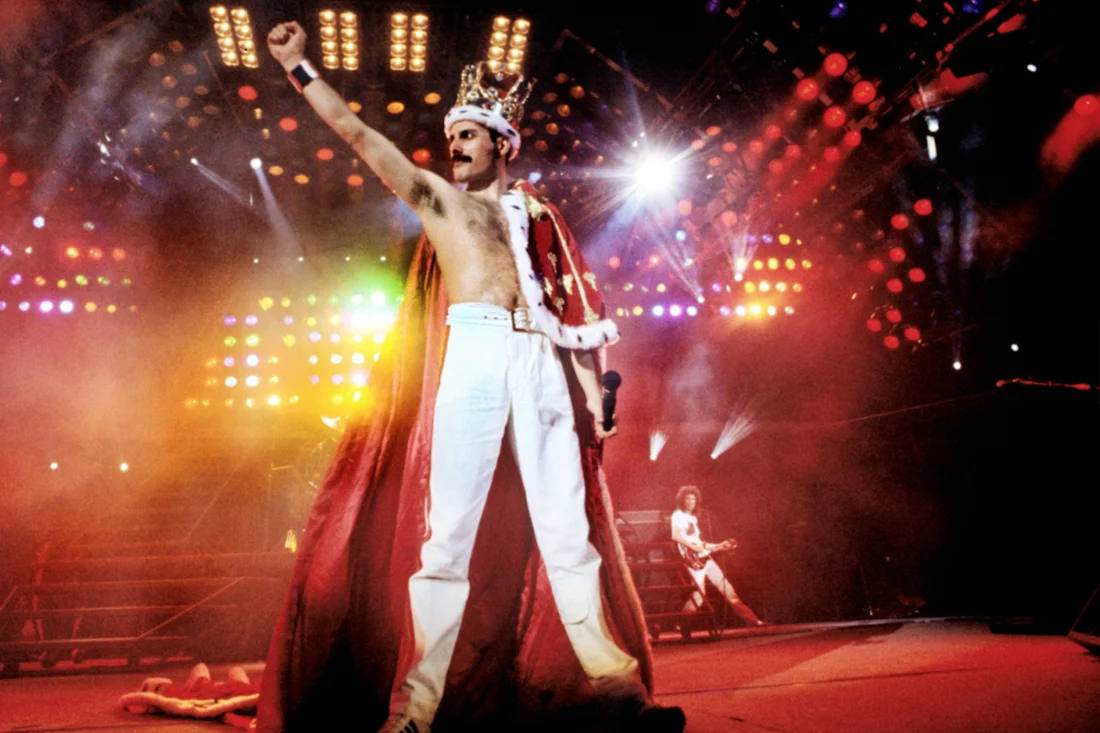
“I’m going to become Mercury because in the lyrics of the song, ‘Mother Mercury’ refers to my mother,” Brian May recalled Mercury saying in an interview.
Combining elements of heavy metal and glam rock , the band released their debut album, “QUEEN,” which was followed a year later by their second album, “QUEEN II.”
In addition to being a vocalist and lyricist, Mercury was also a talented showman. He loved to wear costumes: harlequin-style clothes, tight jumpsuits, leather clothes and military-style jackets. He often wore body-hugging clothes and confidently invited fans to become part of the concert fun with his stage presence. The creative artist also actively participated in the visual design of the band’s various albums.
Freddie Mercury’s sexual identity
Mercury’s sexual identity was a hot topic throughout his career. The rock ‘n’ roll icon had relationships with both women and men. He had a special romantic relationship with Mary Austin. Despite their 7-year marriage and close emotional attachment, the vocalist also had romantic relationships with men during this time. When Mercury spoke to Mary about his bisexuality, Mary replied: “You’re gay.”
He hid his sexual orientation from his family, because during Mercury’s lifetime, gay and bisexual people were much more dangerous. The musician was born and raised in an era when it was considered a mental illness or a tragedy. Although stardom allowed him to overcome certain boundaries, he still lived in a world where attraction to men could end not only his career, but also that of his bandmates.
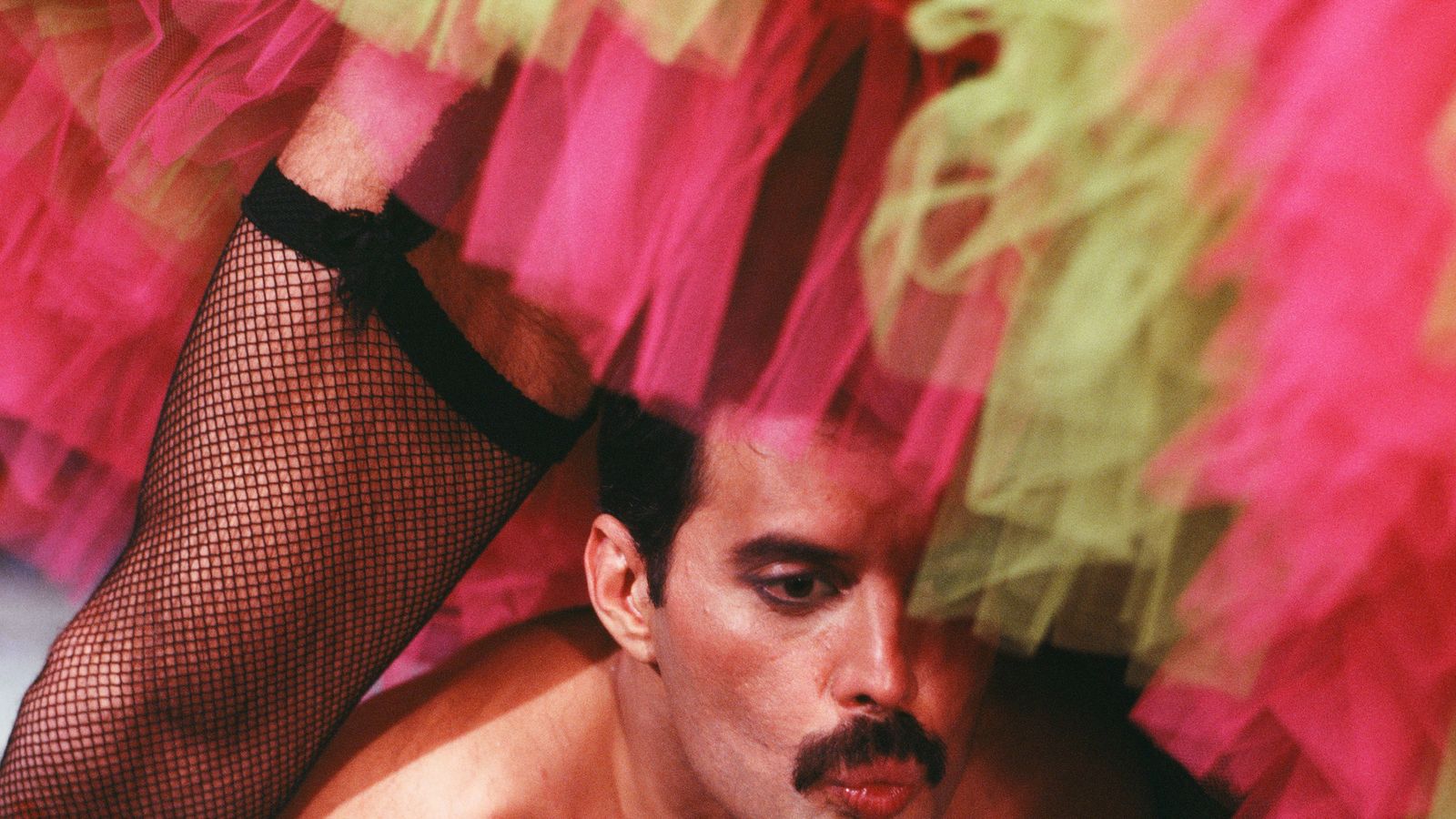
Even in such circumstances, the rock star was able to express his personality through music and say more with his work than meets the eye. One of the group’s most famous hits, “Bohemian Rhapsody,” was perceived by the public as Mercury’s open discussion of his sexual identity. The line in the song’s lyrics, “Mama, just killed a man,” may be the artist’s farewell to his heterosexual identity, but Freddie Mercury himself never confirmed such an interpretation of the song. It is unclear whether “Bohemian Rhapsody” is about his sexual identity, but the hit will forever remain the greatest rock anthem of all time.
“I am what I am. So what?”
The artist’s transformation from a heterosexual rock star to a gay macho led the public to conclude that he was queer, but he himself spoke about his orientation shortly before his death. Many of his songs later became expressions of his queerness.
In 1992, journalist John Marshall in Gay Times magazine recognized Mercury as a “queen of the stage,” who was not afraid to publicly express her identity, telling the world: “I am who I am. So what?” Mercury remains a queer icon today, considered a pioneer of glam rock with her unique voice, brilliant performances, and unforgettable outfits.
Janis Joplin – Queen of Rock and Roll
Janis Joplin’s musical career began in 1966 when she joined the band Big Brother and the Holding Company. Their 1968 album Cheap Thrills became a classic. Janis later left the band and pursued a solo career inspired by the blues.
In 1969, the artist released his first solo album, “I Got Dem Ol’ Kozmic Blues Again Mama!”, which received mixed reviews from listeners, and songs such as “Piece of My Heart” and “Summertime” are recognized as impressive works of rock music – raw and emotionally devastating.
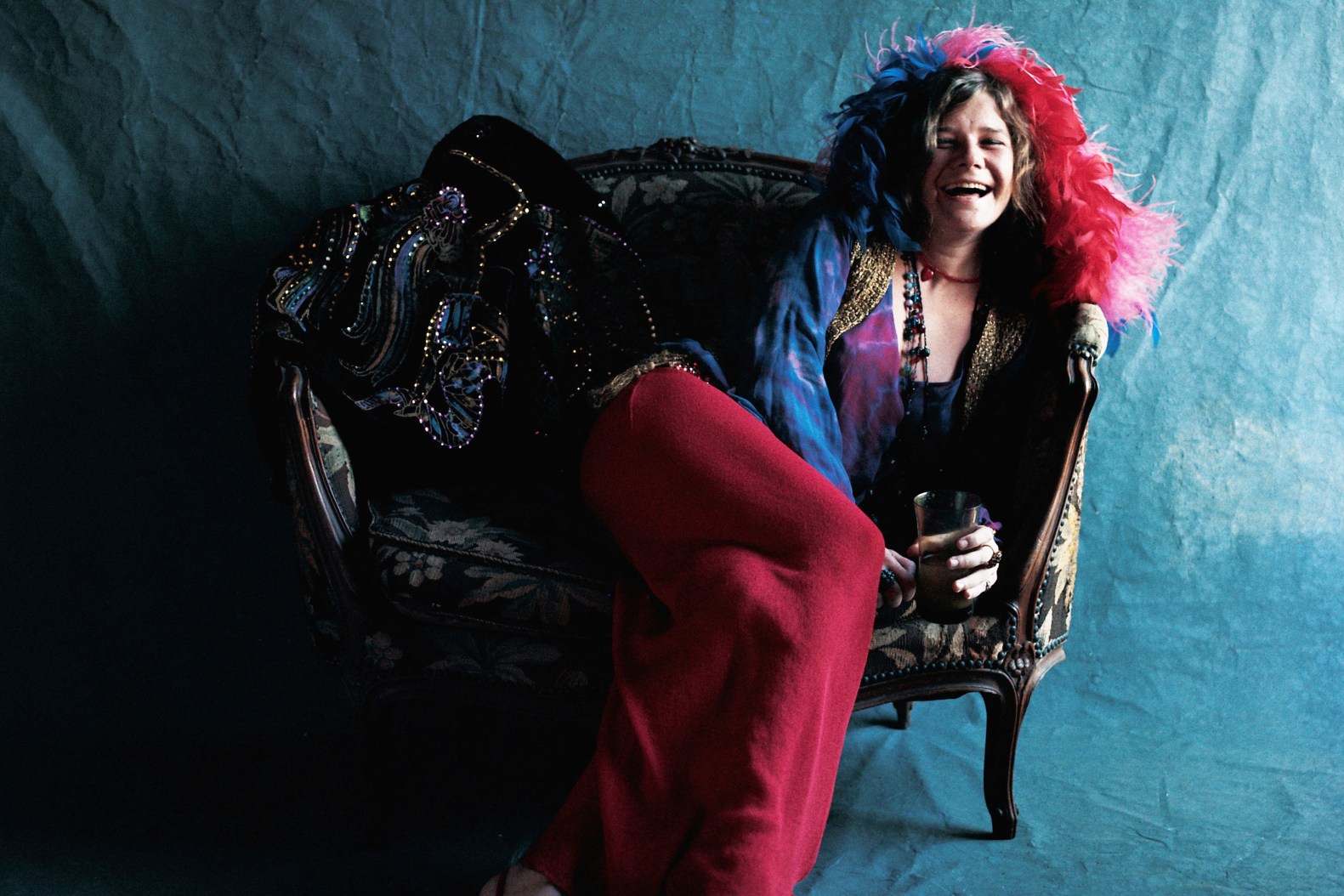
The first female performer on the rock scene
Joplin had a love for music since childhood. She also sang in her local church choir.
As a teenager, she was fascinated by the sounds of blues and jazz. In his senior year, she began performing in local bars, where she quickly became famous for his performances of famous blues compositions.
Janis was the first female artist in rock music, which is why she is called the Queen of Rock and Roll. In a male-dominated industry, she always felt the pressure to prove her abilities.
However, Joplin not only became a mainstream artist, but also helped open the door for women in a male-dominated genre. The artist’s career success became an inspiration to many women, as Janis proved to aspiring female rock singers with her style and boldness that there would always be a place for them on the stage and on the Billboard charts.
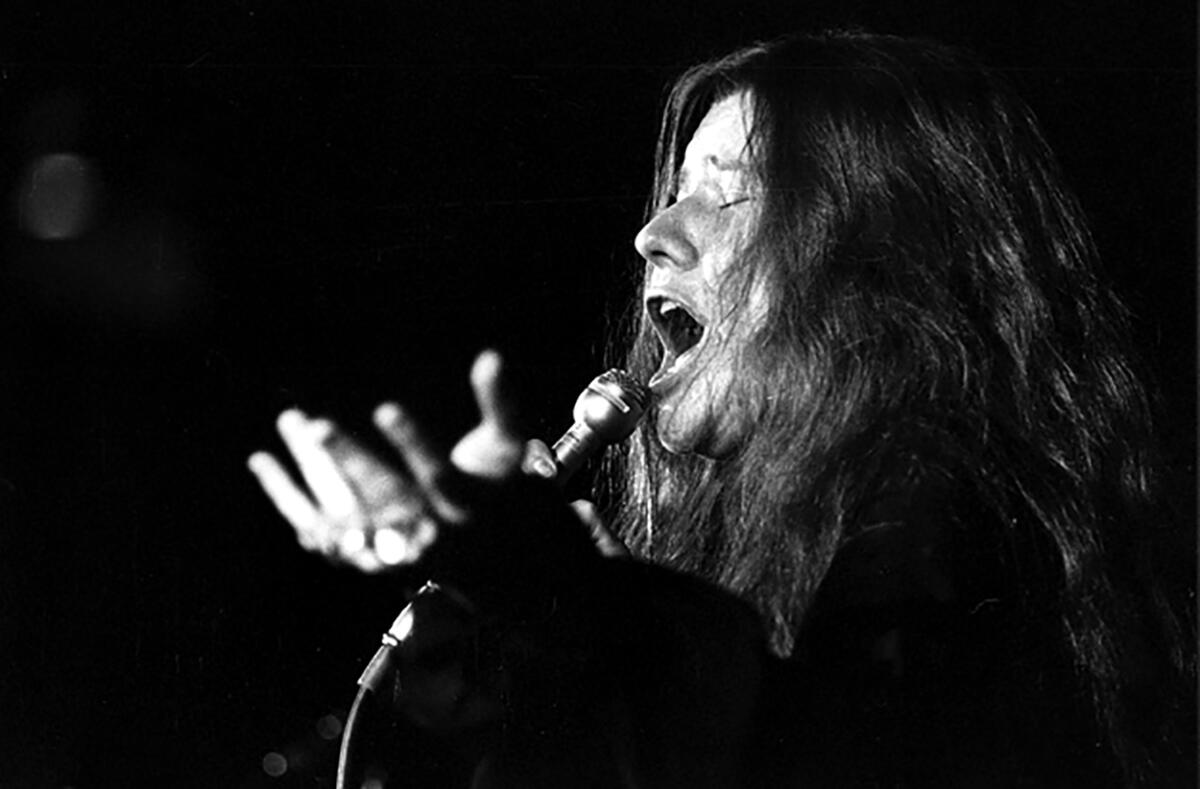
Her unique voice, passion, confidence, and fearless approach to life inspired many female artists, including Stevie Nicks, Florence Welch, Fink, Amy Winehouse, Adele, and more. Although Janis is no longer alive, her influence lives on in many female rock stars today.
” The good thing about women is that they sing inside. Women give more in the music business than you can imagine,” – Janis Joplin.
Janis Joplin Beyond Social Norms
Throughout her short but varied life, Joplin was known for her free-thinking nature. She always dressed and acted as she pleased. The artist had sexual relationships with both men and women.
Not much is known about Janis’s love affairs with women. It is known that in 1966, the musician was romantically involved with Peggy Caserta.
In 1973, Peggy Caserta published a memoir about her relationship with Janis, which was critical of the musician. She later stated that she decided to publish the book to finance her drug addiction, and that she did not even write a significant part of the published text herself. In 2018, Peggy Caserta published a new book, in which she presented the real version of events and spoke frankly about her relationship with Janis.
Janice’s bisexual relationship doesn’t end with Caserta. She also had a relationship with Jay Whitaker, whom she met by chance at a gay bar and began living with.
Janis Joplin was a huge inspiration to the queer community with her diverse sexual relationships. In addition, in an era where the rock scene was dominated by men, she managed to forever establish her unique voice, emotional performance, and distinctive stage energy in music history.
For her, singing was not just a hobby – it was a means of expression, freedom and spiritual connection with people. By combining blues, rock and soul, Janis created an unforgettable sound in the history of rock. Her vocal style was both vulnerable and powerful. She could smoothly move from gentle vocals to harsh sounds, which allowed her to convey the whole spectrum of emotions in one song. Joplin’s live performances are known for their boundless passion and sense of freedom, where fans seemed to share her heartache.
At the 1969 Woodstock Festival, Janis performed with the Kozmic Blues Band. It was one of the most unforgettable performances in pop culture history. After Woodstock, Joplin recorded her best album, Pearl, which included her biggest hit, “Me and Bobby McGee.”
His colorful, bohemian clothes and oversized glasses became a cultural phenomenon of the 60s rock and roll era.
In 1995, Janis Joplin was inducted into the Rock and Roll Hall of Fame. She remains one of the greatest vocalists in the history of rock and roll.
Elton John — the legendary knight of music
Elton John is a British singer, songwriter, and pianist who became one of the most popular performers of the late 20th century, with such unforgettable hits as “Rocket Man,” “Crocodile Rock,” and “Candle in the Wind.” He has combined many genres of popular music and stylistic showmanship in a musical career that has sold hundreds of millions of records.
John was distinguished from childhood by his exceptional talent for playing the piano. At the age of 11, he received a scholarship to study at the Royal Academy of Music. After discovering rhythm and blues, the artist was carried away by pop music and in the mid-60s joined the group Bluesology, and in 1968 Elton John achieved his first success in Britain with the song “Lady Samantha”.
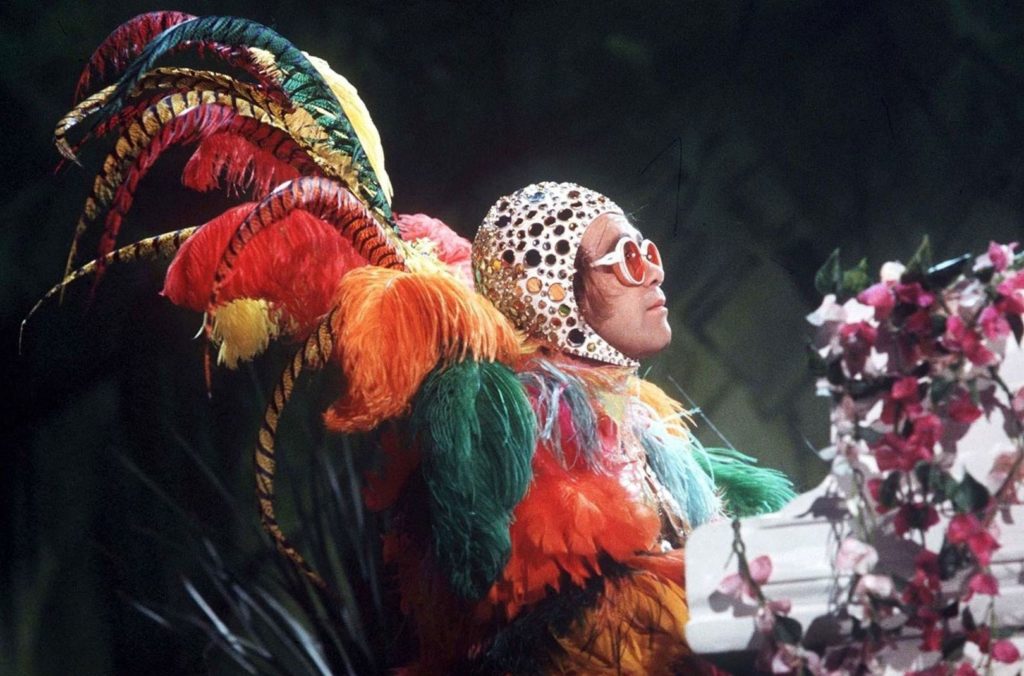
Sir Elton John and his musical art
John, like the Beatles, was able to perform pop and rock music with equal skill. After some time, he immersed himself in soul, later in disco and country, as well as in classic pop ballads, progressive rock and even musical theater. Throughout his career, he demonstrated a remarkable talent for mastering and combining a variety of pop and rock styles. Elton John’s recordings are one of the first collections of works in which electric guitar and acoustic piano harmoniously merge with musical sounds created by synthesizers.
By 1973, Elton John had become one of the world’s best-selling pop artists. His music was characterized by its freedom of genre. On some albums, he moved away from rock influences and developed a more church-like English pop style. The artist was also recognized as a natural showman. He often appeared on stage in elaborate wigs and glasses decorated with crystal gems. His strange, unusual and eye-catching image attracted a large number of people to his concerts.
Elton John — queer advocate and icon
John’s superstar status has continued into the 21st century, influencing many musicians as one of the first pop stars to come out as gay. John paved the way for many queer artists, including George Michael, Bruce Hornsby, Rufus Wainwright, Miley Cyrus, and Brandi Carlile.
He spoke about her queerness in an interview with Rolling Stone magazine and appeared on the cover of the magazine. His first public gay romance was with music manager John Reed, but their relationship ended after five years. He also said in an interview with Rolling Stone: “There’s nothing wrong with sleeping with someone of the same sex. I think everyone is bisexual to some extent. I don’t think I’m the only one. It’s not bad. I think you’re bisexual too. I think everyone is bisexual.”
After a four-year marriage to German sound engineer Renate Bauel and a divorce, John said he felt quite comfortable as a gay man. In 2014, the musician married Canadian director and producer David Furnish. Finding love and happiness with Furnish further focused Elton John on advocating for LGBTQ+ rights.
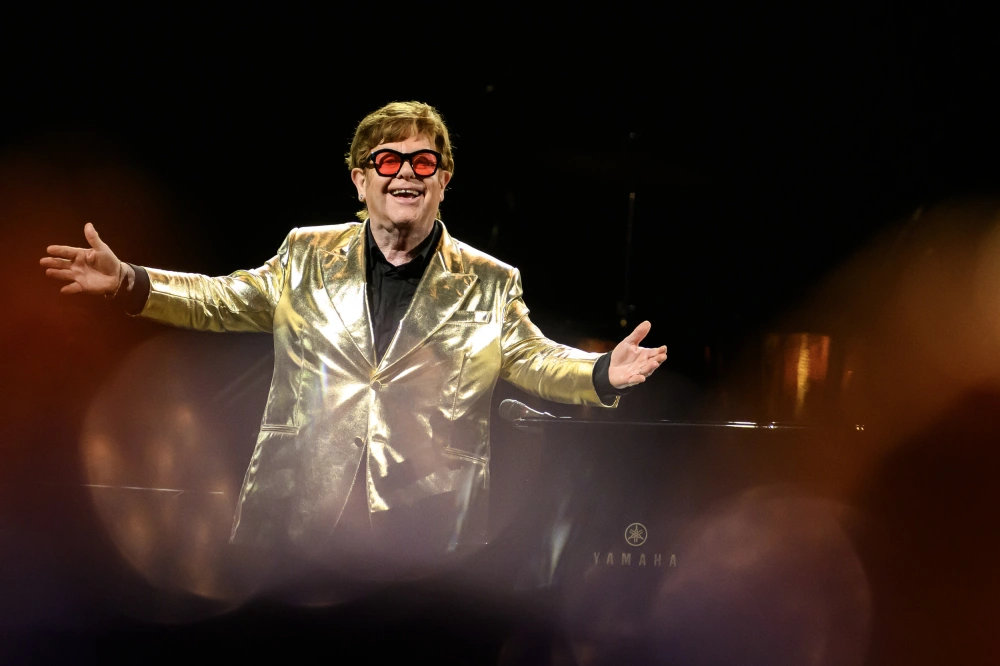
In addition to his musical achievements, he fought the disease that affected so many people, including his friends Ryan White and Freddie Mercury. After their tragic deaths, Elton John founded the Elton John AIDS Foundation (EJAF) and received numerous awards, including a knighthood from Queen Elizabeth II for his charitable contributions. The foundation is one of the world’s leading independent non-profit organizations dedicated to eliminating the stigma and indifference associated with HIV/AIDS.
As an openly gay artist and one of the greatest singers of our time, Elton John has often spoken about how proud he is to be gay. He has also offered various pieces of advice to LGBTQ+ youth. In an interview with Variety, the musician urged queer youth who are unsure about themselves: “Just be yourself. Don’t let anyone bring you down.”